
Permanent jewelry is a category of jewelry or adornment designed to be worn for extended continuous periods without removal, or that cannot be easily removed without special tools, keys, or pliers. This type of jewelry often carries significant personal, religious, cultural, or interpersonal meaning for the wearer. Modern permanent jewelry includes welded chain bracelets, traditional items like wedding rings and religious bracelets, and contemporary trends such as tooth gems and specialty clasps that require tools for removal.
| Category: | Jewelry Style, Cultural Practices |
| Synonyms: | Welded jewelry, forever jewelry, continuous wear jewelry |
| Historical origins: | Ancient cultures (torcs, neck rings) |
| Modern trend start: | 2017-2020 (welded chains) |
| Common types: | Bracelets, necklaces, anklets, rings |
| Materials: | Gold, silver, platinum, stainless steel |
| Removal method: | Cutting, special tools, professional service |
| Primary purpose: | Symbolism, convenience, aesthetic |
| Status: | Growing trend in contemporary jewelry |
The concept of permanent jewelry spans cultures and centuries, from ancient Celtic torcs that required bending to wear, to modern welded chain bracelets that can only be removed by cutting. Some permanent jewelry items can technically be removed but are worn continuously by choice, while others are physically designed to prevent easy removal. The practice often involves ritualistic or ceremonial placement by another person, adding layers of meaning beyond the jewelry’s aesthetic value.
History
Ancient and Traditional Forms
Permanent jewelry has ancient origins in various cultures worldwide. Celtic and Germanic tribes wore torcs, solid metal necklaces or bracelets that had to be forcibly bent to open for wearing or removal. These items were typically worn for extended periods and held significant cultural and status meanings. Archaeological evidence shows that many torcs were designed with openings too small for normal wear, requiring permanent deformation to use.
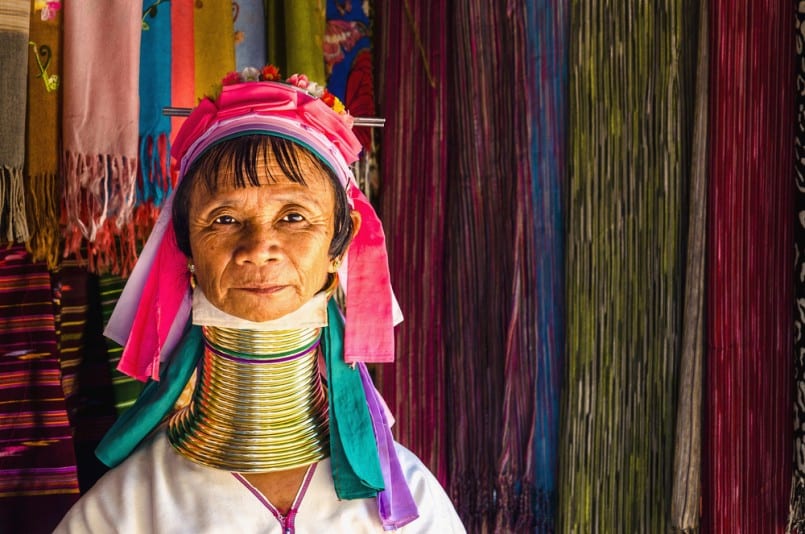
Indigenous cultures developed their own permanent jewelry traditions. The Kayan people of Myanmar wear brass neck rings and anklets that can be removed but are typically only taken off to add longer coils as the wearer grows. This practice creates the appearance of an elongated neck and represents cultural identity and beauty ideals that have persisted for generations.
Religious and Cultural Significance
Religious permanent jewelry serves both spiritual and practical purposes across many faiths. In Sikhism, baptized followers wear a kaṛā, a steel or iron bracelet, as one of the five Ks that must be worn at all times. While religious doctrine permits removal, in practice few Sikhs remove their kaṛā, and many put it on at a young age when it becomes difficult to remove as they grow.
Historical examples include slave jewelry from ancient civilizations, where permanent adornments served as identification and control mechanisms. Archaeological discoveries such as the Moregine bracelet, inscribed “from the master to his very own slave girl” in Latin, demonstrate how permanent jewelry functioned within social hierarchies and power structures.

Types
Welded Chain Jewelry
Modern permanent jewelry gained popularity around 2020 with the trend of welded chain bracelets, though the practice existed as early as 2017. These pieces involve fitting a thin metal chain around the wearer’s wrist, ankle, or neck, then permanently joining the ends with a small weld or solder joint. The process creates a seamless circle with no visible clasp, achievable only through removal by cutting a link.
The welding process typically uses pulse arc welders or micro-torches to join gold, silver, or gold-filled chain ends directly on the wearer’s skin. Safety protocols include protective barriers and precise temperature control to prevent burns. The result is jewelry that moves naturally with the body and cannot catch on clothing or objects like traditional clasped jewelry.
Traditional Permanent Forms
Wedding and engagement rings represent the most common form of permanent jewelry in modern society. Many people never remove their wedding rings, and the soft metals typically used cause the rings to conform to the wearer’s finger over time, making removal increasingly difficult. The symbolic permanence of marriage is reinforced by the physical permanence of the jewelry.

Cartier’s Love Bracelet, created by Aldo Cipullo in 1969, popularized modern permanent jewelry concepts. The bracelet requires a special screwdriver to open and close, with Cipullo stating that “love symbols should suggest an everlasting quality.” The accompanying screwdriver can itself be worn as jewelry by the person who gifted the bracelet, adding another layer of connection.
Contemporary Innovations
Tooth gems represent semi-permanent jewelry lasting months or years, adhered to teeth using dental-grade adhesives. These decorative elements made from gemstones, precious metals, or titanium offer a unique form of permanent adornment that requires professional application and removal. The practice has gained popularity in contemporary fashion and celebrity culture.
Toe rings and other body jewelry sometimes function as permanent pieces when sized for continuous wear. Many toe rings are designed as adjustable bands that can be pinched to fit snugly, making removal difficult once properly fitted. Medical identification bracelets and military dog tags also serve as permanent jewelry for practical safety reasons.
Applications
Personal and Relationship Symbolism
Permanent jewelry serves as a physical manifestation of commitment, love, or personal significance. Friends, couples, or family members often choose matching welded bracelets to symbolize their connection. The inability to easily remove the jewelry reinforces the permanence of the relationship and provides a constant reminder of the bond between wearers.
Memorial jewelry represents another meaningful application, where people wear items belonging to deceased loved ones or incorporate their elements into permanent pieces. Continuously wearing a deceased relative’s watch or having their wedding ring welded into a new design creates lasting connections that transcend physical separation.
Fashion and Aesthetic Considerations
The clean, uninterrupted lines of permanent jewelry appeal to minimalist aesthetic preferences. Without clasps or closures, welded chains create smooth, flowing forms that complement contemporary fashion trends. The jewelry moves naturally with the body and doesn’t catch on clothing, making it particularly suitable for active lifestyles.
Layering multiple permanent pieces creates sophisticated jewelry combinations that maintain their arrangement over time. Unlike traditional jewelry that may shift or tangle, welded pieces remain in their intended positions, enabling complex layered looks that stay consistent throughout wear.
FAQs
What is permanent jewelry?
Permanent jewelry is designed to be worn continuously without removal, either through welding, special tools, or symbolic commitment. Common examples include welded chain bracelets, wedding rings, and religious items like Sikh kaṛā bracelets.
How is permanent jewelry applied?
Modern permanent jewelry is typically applied by measuring the desired fit, then welding or soldering the ends of a chain while it’s worn. The process uses specialized equipment and safety measures to prevent injury during application.
Can permanent jewelry be removed?
Yes, but removal typically requires cutting the jewelry, which destroys the piece. Some permanent jewelry uses special tools for removal, while emergency situations may require professional cutting services or heavy scissors.
Is permanent jewelry safe?
When applied by trained professionals using proper safety protocols, permanent jewelry is generally safe. However, considerations include metal allergies, medical procedure requirements, and emergency removal needs that should be discussed beforehand.
How long does permanent jewelry last?
Quality permanent jewelry can last indefinitely with proper care. Durability depends on material quality, welding technique, and wear patterns. Solid precious metals typically outlast plated or filled alternatives in continuous wear applications.
What metals are used for permanent jewelry?
Common materials include 14k or 18k gold, sterling silver, gold-filled chains, and stainless steel. Material choice affects durability, appearance, and compatibility with skin sensitivities. Higher quality metals generally provide better long-term results.
Further Reading
- Journal of Cultural Heritage: Archaeological Evidence of Ancient Permanent Adornments – Research examining archaeological findings of permanent jewelry across ancient civilizations, including torcs, neck rings, and ceremonial pieces that required permanent attachment methods for cultural significance.
- Current Anthropology: Body Modification and Permanent Adornment in Indigenous Cultures – Anthropological study analyzing permanent jewelry practices in indigenous societies, examining cultural meanings, application methods, and social significance of continuous wear adornments across different populations.
- Journal of Cosmetic Surgery: Safety Protocols for Permanent Body Jewelry Application – Medical research examining safety considerations, infection risks, and best practices for applying permanent jewelry and body modifications, including welding procedures and material biocompatibility.
- Materials Science and Engineering: Metallurgical Analysis of Welded Jewelry Joints – Technical study analyzing the mechanical properties, durability, and failure modes of welded joints in permanent jewelry applications, examining different metals and welding techniques.
- Psychology Research: Symbolic Meaning and Psychological Effects of Permanent Jewelry – Psychological research investigating the emotional and symbolic significance of permanent jewelry, examining attachment behaviors, commitment symbolism, and psychological effects of continuous wear adornments.