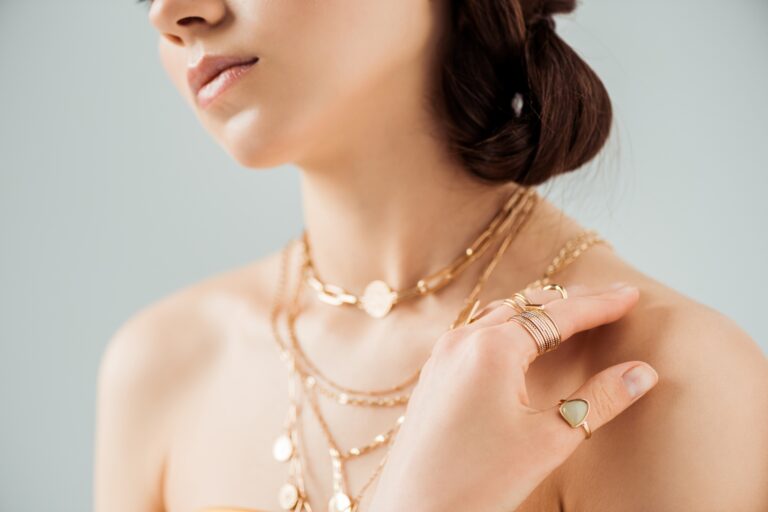
You’ve been eyeing that beautiful necklace online, but you’re stuck between two versions: sterling silver or gold plated. The gold plated one looks luxurious and costs less, but you’ve heard horror stories about jewelry turning green or wearing off. The sterling silver option costs more upfront, but will it actually last longer?
As someone who’s helped hundreds of customers navigate this exact dilemma over the past decade, I’ve seen firsthand what happens when people choose based on price alone. I’ve watched beautiful gold-plated pieces lose their luster within months, while sterling silver jewelry from the same period still sparkles like new.
Let’s talk about exactly which metal wins the competition for everyday wear!
What’s the Real Difference Between Sterling Silver and Gold Plated?
Sterling silver is a solid metal alloy made of 92.5% pure silver and 7.5% other metals (usually copper). This creates a durable, valuable piece that’s silver all the way through.
Gold plated jewelry, on the other hand, is a base metal (often brass or copper) with a microscopic layer of gold applied to the surface. Think of it like gold-colored paint over metal – beautiful at first, but prone to chipping and wearing away.
The bottom line: Sterling silver offers genuine precious metal value, while gold plating provides the appearance of gold at a fraction of the cost.
The 3 Durability Factors You Need to Know
Daily Wear Resistance
Sterling Silver: Can handle daily wear for decades. The metal itself doesn’t wear away – it only develops a natural patina that’s easily cleaned off. Your grandmother’s sterling silver ring that still looks perfect? That’s the durability we’re talking about.
Gold Plated: The thin gold layer (typically 0.5-2.5 microns) starts wearing off wherever the jewelry touches your skin, clothing, or other surfaces. High-contact areas like ring bands and bracelet links show wear first, often within 3-6 months of daily use.
Tarnishing vs. Flaking
Sterling Silver: Tarnishes when exposed to air and moisture, creating a dark coating that’s completely reversible with proper cleaning. Tarnishing is surface-level and doesn’t damage the underlying metal.
Gold Plated: Doesn’t tarnish, but the gold layer flakes, scratches, or wears completely off, exposing the base metal underneath. Once this happens, the piece often needs professional re-plating to look good again.
Chemical Exposure Tolerance
Sterling Silver: Reacts to sulfur compounds (causing tarnish) but isn’t permanently damaged by lotions, perfumes, or sweat. A quick polish restores its shine.
Gold Plated: The thin gold layer breaks down when exposed to chemicals in skincare products, perfumes, chlorine, and even your natural body oils. This process is irreversible without re-plating.
Common Mistakes to Avoid
- Assuming thicker plating means “gold plated” is durable: Even “thick” gold plating (2.5 microns) is thinner than a human hair. Compare that to sterling silver’s solid construction.
- Thinking gold plated is “maintenance-free”: Gold plated pieces require more careful handling to preserve their appearance, while sterling silver bounces back from neglect with simple cleaning.
- Buying gold plated for “special occasions only”: Even occasional wear in areas like ring fingers or wrist contact points will cause visible wear over time.
- Believing you can “restore” gold plated jewelry at home: Once the plating wears off, you’ll see green or copper-colored spots that can’t be fixed with household cleaners.
People Also Ask
What lasts longer, gold-plated or sterling silver?
Sterling silver lasts significantly longer for everyday wear. While gold plating typically shows wear within 6-18 months of daily use, sterling silver jewelry can last a lifetime with proper care. The key difference is that sterling silver tarnish is reversible, while gold plating wear is permanent damage.
Can you wear gold-plated sterling silver every day?
Gold-plated sterling silver offers better durability than regular gold plating since the base metal is higher quality. However, the gold layer will still wear off with daily use, typically lasting 1-2 years before needing re-plating. For true everyday wear, solid sterling silver is more practical.
Which one is better, gold-plated or sterling silver?
Sterling silver is better for everyday jewelry because it’s more durable, retains its value, and can be easily maintained. Gold plated is better for trendy pieces you’ll wear occasionally or when you want the gold look on a budget. Consider your wearing habits and long-term goals when choosing.
Expert Tips from a Decade in Jewelry
The “contact point test”: Before buying gold plated jewelry, consider where it will touch your body most. Ring bands, bracelet links, and necklace pendants wear fastest. If these are high-contact areas, choose sterling silver.
Investment perspective: Calculate cost-per-wear over 5 years. That $50 sterling silver ring worn daily costs about 3 cents per wear. A $25 gold plated ring that needs replacing yearly costs 7 cents per wear.
The “heirloom factor”: I’ve restored sterling silver pieces from the 1940s that look stunning after professional cleaning. Gold plated jewelry from even 5 years ago rarely survives in wearable condition.
When to Choose Each Metal
Choose Sterling Silver When:
- You plan to wear the piece regularly (3+ times per week)
- The jewelry has sentimental value or is a significant purchase
- You want something that can be passed down or resold
- You don’t mind occasional cleaning and polishing
Choose Gold Plated When:
- You’re following a trend that might not appeal to you long-term
- The piece will be worn occasionally (special events only)
- Budget is the primary concern
- You enjoy updating your jewelry collection frequently
Key Takeaways
- Sterling silver wins for longevity: Solid construction means it can last generations, while gold plating typically shows wear within the first year of daily use
- Maintenance differs significantly: Sterling silver needs occasional cleaning but bounces back to like-new condition, while gold plated jewelry requires careful handling and eventual replacement
- True cost calculation matters: Sterling silver’s higher upfront cost often provides better value per wear over time
- Consider your lifestyle: Daily wear, exercise, exposure to lotions and perfumes all favor sterling silver’s durability
Recommended Products/Next Steps
For everyday wear, I recommend starting with sterling silver basics: simple stud earrings, a classic chain necklace, and a minimalist ring. These pieces form the foundation of any jewelry collection and will serve you for years.
If you love the warm gold tone, consider gold-filled jewelry (which has 100x more gold than plating) or save for solid gold pieces for your most-worn items.
Ready to build a jewelry collection that lasts? Browse our curated selection of sterling silver essentials designed for daily wear, or explore our complete guide to building a capsule jewelry wardrobe that works with everything in your closet.
Keep Reading
- How to Clean Sterling Silver Jewelry at Home: 5 Safe Methods That Actually Work – Learn simple cleaning techniques using household items to restore your silver jewelry’s shine without damaging the metal.
- The Complete Guide to Jewelry Allergies: Which Metals Are Actually Hypoallergenic? – Discover which metals cause skin reactions and how to choose jewelry that won’t irritate sensitive skin or cause breakouts.
- Gold Filled vs Gold Plated: Why One Costs 10x More (And When It’s Worth It) – Understand the significant difference between these gold alternatives and which offers better value for your jewelry investment.
- 7 Best Sterling Silver Earrings for Everyday Wear Under $50 – Shop our top-rated sterling silver earrings that combine style, comfort, and durability for daily wear at affordable prices.